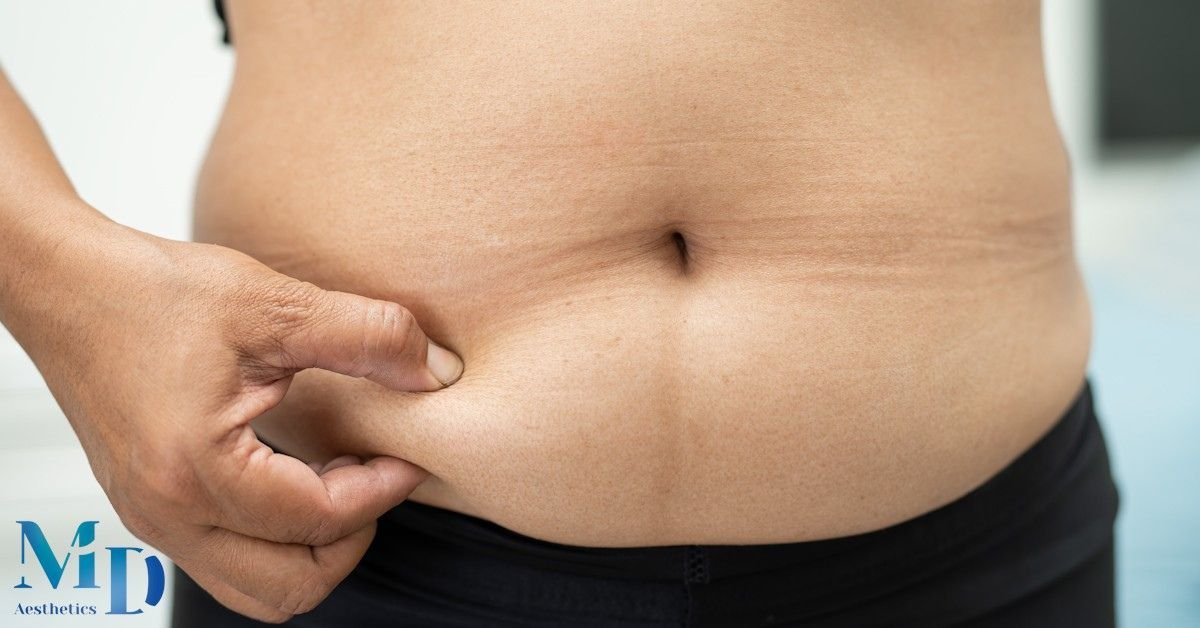
After substantial weight loss, the body may become healthier and lighter, yet loose skin around the abdomen, waist, hips, and lower back can remain. This excess tissue may affect comfort, movement, clothing fit, and self-confidence. In this context, belt lipectomy is an advanced post-weight-loss body contouring procedure designed to remove circumferential skin laxity and reshape the lower torso with a more balanced, functional approach.
What Is Belt Lipectomy?
Belt lipectomy is a surgical procedure that removes excess skin and soft tissue around the lower body in a continuous, belt-like pattern. It is commonly performed after massive weight loss, especially when skin laxity affects not only the abdomen but also the flanks, lower back, and upper buttock area.
Unlike procedures that treat only one region, belt lipectomy focuses on the full circumference of the torso. The goal is to improve body proportion from the front, sides, and back while creating smoother transitions between the abdomen, waist, hips, and buttocks.
Related Stories



Why Belt Lipectomy May Be Needed
When the skin has been stretched for many years, it may lose its ability to contract after weight loss. Even with regular exercise, hydration, and a stable lifestyle, redundant skin may remain because the problem is structural.
Patients may consider this procedure due to:
- Hanging skin around the lower abdomen
- Skin folds across the waistline
- Laxity on the lower back
- Buttock sagging after weight loss
- Friction, sweating, or irritation
- Difficulty finding well-fitting clothing
For many patients, the motivation is not only aesthetic. Removing excess tissue can also improve daily comfort and mobility.
Belt Lipectomy and Post-Bariatric Body Contouring
Belt lipectomy is often part of a broader post-bariatric surgery plan. Patients who have undergone gastric sleeve, gastric bypass, or major lifestyle-related weight loss may need staged procedures to address different body areas safely.
A complete post-weight-loss plan may include arm lift, thigh lift, breast reshaping, tummy tuck, or body lift depending on the patient’s anatomy. Belt lipectomy is usually considered when the lower body has circumferential looseness that cannot be corrected with a standard tummy tuck alone.
How Belt Lipectomy Differs From Abdominoplasty
A tummy tuck, or abdominoplasty, mainly improves the front of the abdomen. It can remove excess abdominal skin and tighten weakened muscles. Belt lipectomy goes further by extending the correction around the entire lower torso.
Abdominoplasty
Best suited for patients whose main concern is loose abdominal skin, lower belly fullness, or muscle separation.
Belt Lipectomy
Better suited for patients with excess skin around the abdomen, waist, flanks, back, and buttock region.
This wider correction can create a more balanced outcome for patients after significant weight reduction.
Who Is a Suitable Candidate?
Belt lipectomy is a major procedure and requires careful evaluation. Suitable candidates usually have:
- Stable weight for at least 6–12 months
- Significant loose skin around the lower torso
- Good general health
- No untreated nutritional deficiencies
- Realistic expectations about scars and recovery
- A commitment to postoperative care
Smoking can increase wound healing risks, so patients are often advised to stop before and after surgery.
The Surgical Process
Belt lipectomy is typically performed under general anesthesia. The surgeon plans an incision around the lower waistline, positioned as discreetly as possible within underwear or swimwear lines. Through this incision, excess skin and tissue are removed, and the remaining tissues are lifted and tightened.
The procedure may improve:
- Lower abdominal contour
- Waist definition
- Flank smoothness
- Lower back shape
- Buttock position
- Overall lower body balance
Because several connected areas are treated, surgical planning must be precise and individualized.
Recovery After Belt Lipectomy
Recovery is gradual and depends on the extent of tissue removal and the patient’s overall health.
Early Recovery
Swelling, tightness, bruising, and limited mobility are common during the first weeks. Compression garments may be used to support healing and reduce swelling.
Activity Restrictions
Patients are generally advised to avoid heavy lifting, sudden bending, and intense exercise until cleared by their surgeon. Walking is usually encouraged early to support circulation.
Long-Term Healing
Final contour changes become clearer over several months. Scars are permanent but usually fade gradually with proper care and time.
Benefits Beyond Appearance
The benefits of belt lipectomy can extend into daily life. Patients often report:
- Improved movement comfort
- Reduced skin irritation
- Better posture and body balance
- Easier clothing fit
- Greater confidence after weight loss
For many individuals, this procedure helps complete the physical side of a long transformation journey.
Risks and Safety Considerations
As with any major surgery, belt lipectomy carries potential risks such as infection, delayed wound healing, fluid accumulation, asymmetry, temporary numbness, and visible scarring. These risks can be reduced through careful patient selection, nutritional assessment, experienced surgical technique, and close postoperative follow-up.
Patients should discuss previous surgeries, medications, smoking habits, weight history, and expectations openly during consultation.
Why Expertise Matters
Belt lipectomy is more complex than isolated skin removal. It requires an understanding of post-weight-loss anatomy, scar placement, tissue tension, and body proportion. The surgeon must balance functional improvement with natural-looking contour refinement.
A successful plan should avoid over-tightening, preserve mobility, and create a result that harmonizes with the patient’s full body shape.
A Complete Step Toward Body Balance
Belt lipectomy can be an effective solution for patients who have achieved major weight loss but continue to struggle with loose skin around the lower torso. By correcting circumferential laxity, the procedure can support improved comfort, proportion, and self-confidence.
For patients exploring advanced post-bariatric body contouring options, treatment planning details, and surgical expertise, reliable resources are available at https://muratdiyarbakirlioglu.com/en/. With proper evaluation and realistic expectations, belt lipectomy can become a meaningful final step in the weight-loss transformation journey.

Emma Clarke is a content writer at Gaukurinn.is, specializing in celebrity news, pop culture, movies, and music. With a strong focus on accuracy and trending topics, she creates engaging and well-researched articles that keep readers informed and entertained.
Emma follows trusted sources and editorial standards to ensure content is reliable, relevant, and up to date. Her goal is to deliver clear, valuable information that readers can trust.