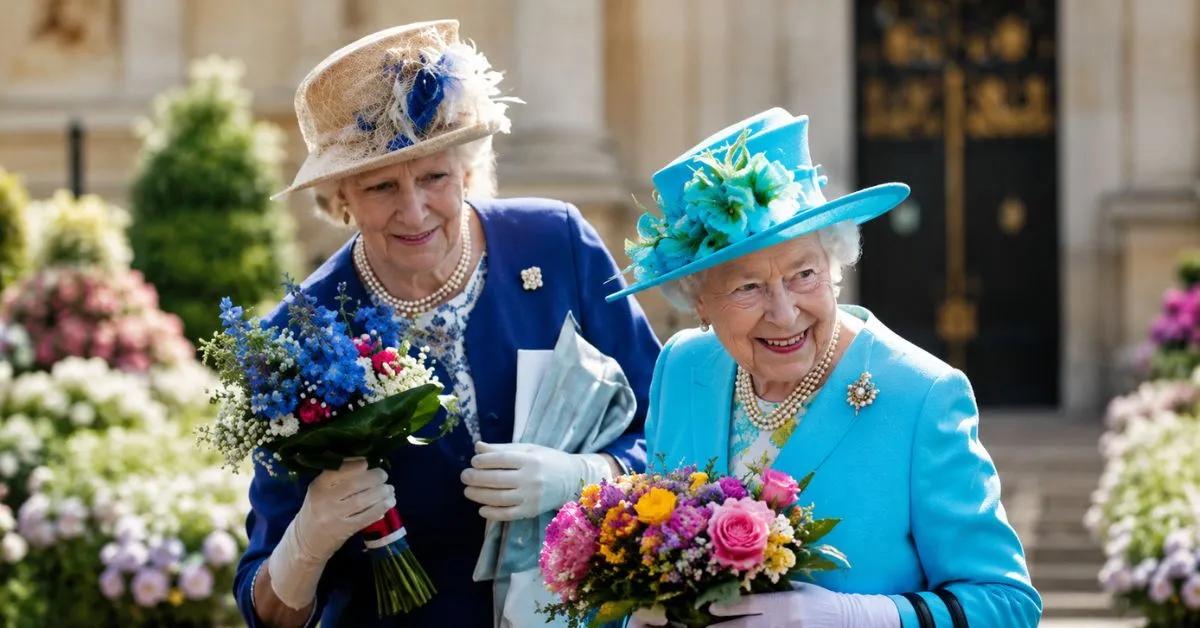
Quick answer: A lady in waiting is a female personal assistant to a royal woman or high-ranking noblewoman. Historically, these aristocratic women helped the queen with daily dressing, correspondence, and companionship. Today, modern equivalents like Queen Camilla “Queen’s Companions” focus on supporting official state duties rather than personal dressing tasks.
You watch historical dramas and see queens surrounded by devoted women. You read news about the British monarchy and hear titles that sound like they belong in another century. You naturally find yourself asking: what is a lady in waiting?
Understanding royal court roles helps you grasp the intricate social structures of the past and present. A lady in waiting was never a typical servant. She was a noblewoman holding a highly coveted position of trust, influence, and proximity to power. When you understand her duties, you unlock a deeper understanding of royal history.
Related Stories


This guide walks you through the evolution of this fascinating role. We explore exactly what these women did in medieval courts, how their duties shifted across different cultures like historical China, and what the role looks like in the modern British monarchy. Step by step, you will gain a complete picture of royal companionship.
What is the definition and meaning of a lady in waiting?
A lady in waiting is a female personal assistant who serves a royal woman or a high-ranking noblewoman. Unlike maids or standard servants, a lady in waiting comes from an aristocratic or noble background. She acts as a companion and confidante.
Because she possessed high social status, her role centered on trust. A monarch relied on her lady in waiting to handle sensitive correspondence, offer loyal companionship, and maintain court etiquette. The position offered these women a rare chance to wield political influence. By standing so close to the crown, they often shaped royal decisions.
What is the role of a lady in waiting?
The responsibilities of a lady in waiting shifted depending on her specific rank and the era she lived in. However, the core of the job always revolved around making the royal woman’s life easier and more secure.
What exactly does a lady in waiting do?
Historically, a lady in waiting managed the intimate daily routines of a queen. She helped the queen dress, bathe, and prepare for public appearances. She also managed the monarch’s schedule, handled personal correspondence, and organized court entertainments.
You can think of her as a blend of a modern chief of staff, personal assistant, and trusted friend. She attended state banquets, traveled with the queen, and guarded her privacy. In many courts, the lady in waiting also served as a gatekeeper. If someone wanted to reach the queen, they usually had to go through her ladies first.
What is the main purpose of a lady in waiting?
The primary purpose of a lady in waiting is to provide trusted companionship and logistical support to a royal woman. Royal life is notoriously isolated. A queen needed peers she could trust with her private thoughts and vulnerabilities.
Beyond companionship, the role served a vital political purpose. Monarchs used these appointments to build alliances with powerful noble families. By placing a duke’s daughter in the queen’s household, the crown secured the loyalty of that specific family.
What is the history of ladies in waiting?
The tradition of royal female companions spans centuries and continents. Every major court developed its own unique hierarchy to manage the women surrounding the ruler.
How did a lady in waiting function in medieval times?
In medieval Europe, the royal court operated as a traveling household. A lady in waiting in medieval times moved continuously with the queen from castle to castle. She protected the queen’s valuable apparel and treasured objects during these long journeys.
Medieval ladies in waiting also played a crucial role in courtly love and diplomacy. They participated in tournaments, hosted visiting dignitaries, and helped weave the social fabric of the realm. Their presence added prestige to the queen’s household, signaling the monarch’s wealth and power.
What was the role in England and the British Royal Court?
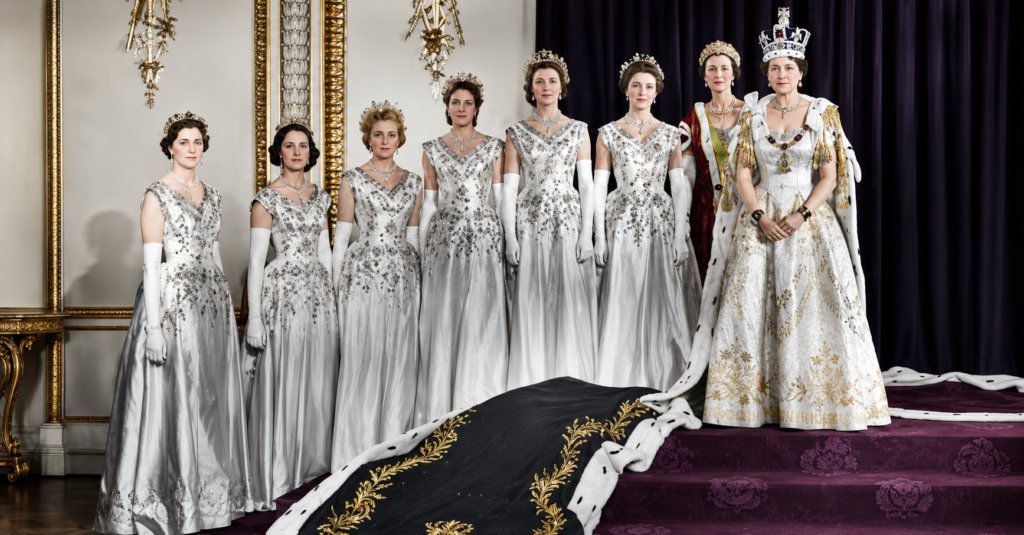
The British Royal Court formalized the lady in waiting hierarchy more than most. The system divided women into strict ranks. The Mistress of the Robes held the most senior position, usually filled by a duchess. Below her sat the Ladies of the Bedchamber, followed by the Women of the Bedchamber, and finally the Maids of Honour.
This structure ensured the queen had support at all times. The Mistress of the Robes managed the schedule, while the Women of the Bedchamber handled day-to-day tasks like helping the queen dress or accompanying her on walks.
Who served as a lady in waiting for Queen Elizabeth?
Queen Elizabeth I famously used her ladies in waiting as political tools and spies. She demanded absolute loyalty from women like Kat Ashley and Lettice Knollys. They guarded her secrets and helped her navigate a male-dominated court.
Centuries later, Queen Elizabeth II relied heavily on her own trusted ladies. Women like Lady Susan Hussey and Fortune FitzRoy, Duchess of Grafton, served the late Queen for decades. They collected flowers at public engagements, handled correspondence, and provided steadfast friendship during turbulent royal periods.
How did a lady in waiting operate in historical China?
The Chinese imperial court managed women quite differently than European courts. In the Forbidden City, the emperor’s household included empresses, consorts, concubines, and female attendants. A lady in waiting in China often started as a lower-ranking servant or attendant chosen from specific elite families.
These women managed the massive logistical undertaking of the inner court. They oversaw wardrobes, prepared tea ceremonies, and managed lesser servants. Interestingly, a lady in waiting in the Chinese court could sometimes catch the emperor’s eye and be promoted to a consort or concubine herself.
What was the role of a lady in waiting for a concubine?
In systems with multiple royal women, high-ranking concubines also required their own attendants. A lady in waiting for a concubine managed her mistress’s schedule and helped her navigate the fierce politics of the inner court.
These attendants acted as spies and strategists. They helped their mistress maintain favor with the emperor, protected her from rivals, and ensured her quarters ran smoothly. Their survival tied directly to the success and status of the concubine they served.
How do ladies in waiting function in the modern royal family?
The British monarchy continually adapts to modern times. The role of the royal companion looks very different today than it did fifty years ago.
Who serves as a lady in waiting to the Queen today?
When King Charles III took the throne, Queen Camilla made a significant change to royal tradition. She retired the title of “lady in waiting” entirely. Instead, she appointed six women known as “Queen’s Companions.”
These modern companions do not help the Queen dress or manage her personal correspondence. Instead, they support her at key official and state duties. They attend events, help host receptions, and provide friendly support, reflecting a more modernized, streamlined monarchy.
What is a senior lady in waiting?
Historically, the senior lady in waiting was known as the Mistress of the Robes. She came from the highest ranks of the nobility. She oversaw all other ladies in the household and managed the rotation of their shifts. While Queen Camilla has moved away from this structure, the historical importance of the senior lady in waiting remains a cornerstone of royal history.
Who acts as a lady in waiting to a princess?
Princesses also require support for their public duties. However, Catherine, Princess of Wales, has largely opted not to use traditional ladies in waiting. Instead, she relies on a modern team of private secretaries and communications staff. She occasionally leans on close friends or her sister, Pippa Middleton, for informal support during major events, but the formal aristocratic role is fading from her household.
Who were the ladies in waiting to Princess Diana?
Princess Diana maintained several ladies in waiting during her time in the royal family. Her most prominent senior lady in waiting was Anne Beckwith-Smith. Anne helped Diana navigate the overwhelming pressures of royal life, managed her official schedule, and offered vital emotional support during a highly publicized era.
What is a lady in waiting in Bridgerton?
If you watch Netflix’s hit series Bridgerton, you see a highly dramatized version of the British ton. In the show, a lady in waiting to Queen Charlotte acts as a sounding board, companion, and gossip gatherer.
The character Brimsley serves as the Queen’s right-hand man, but you also see female attendants hovering nearby. In the Bridgerton universe, the lady in waiting represents status. Being chosen to stand by the Queen elevates a family’s social standing and gives them direct access to the crown’s influence.
What is the male equivalent of a lady in waiting?
Kings and princes require similar companionship and support. The male equivalent of a lady in waiting historically falls under titles like the Gentleman of the Bedchamber, an Equerry, or a Valet.
A Gentleman of the Bedchamber was an aristocratic man who assisted the king with dressing, dining, and guarding access to his private rooms. Today, modern male royals rely heavily on Equerries. An Equerry is typically a senior officer from the British armed forces who assists the royal with military and public engagements.
What is the role of a lady in waiting at weddings?
Outside of royal circles, the term “lady in waiting” sometimes appears in modern weddings. In this context, a wedding lady in waiting acts as a specialized bridal assistant.
Unlike a bridesmaid who stands at the altar, the bridal lady in waiting operates behind the scenes. You hire this professional to manage your dress train, hold your lipstick, communicate with vendors, and ensure you remain stress-free on your wedding day.
Comparing royal roles and duties
To help you distinguish between these historical positions, review the breakdown of duties in the tables below.
Historical vs. Modern Female Royal Companions
| Feature | Historical Lady in Waiting | Modern Queen’s Companion (Queen Camilla) |
|---|---|---|
| Primary Duty | Personal care, dressing, bathing, and correspondence | Public event support, hosting, and state duties |
| Living Arrangements | Lived at court with the monarch | Lives privately, attends events as needed |
| Hierarchy | Strict ranks (Mistress of the Robes, Bedchamber women) | Flat structure of six equal companions |
| Salary | Often paid a stipend, plus housing and gifts | Unpaid, covers only expenses |
Female vs. Male Royal Attendants
| Role | Female Equivalent | Male Equivalent |
|---|---|---|
| Senior Companion | Mistress of the Robes | Groom of the Stool (Historical) / Equerry (Modern) |
| Personal Assistant | Woman of the Bedchamber | Gentleman of the Bedchamber |
| Unmarried Attendant | Maid of Honour | Page of Honour |
Frequently asked questions about royal companions
Do ladies in waiting get paid?
Historically, ladies in waiting received a small salary, free room and board at court, and a clothing allowance. Today, Queen Camilla’s “Queen’s Companions” do not receive a salary. They hold honorary positions and only have their travel and working expenses covered by the crown.
Can a lady in waiting marry?
Yes, a lady in waiting can marry. In fact, historically, the Women of the Bedchamber were almost always married noblewomen. However, a “Maid of Honour” was specifically an unmarried young woman. Once a Maid of Honour married, she usually transitioned to a different role or left the court.
Who is the lady in waiting to the Princess of Wales?
Catherine, Princess of Wales, does not currently employ official ladies in waiting. You will instead see her supported by professional aides, such as her Private Secretary, who handle her logistics, schedule, and public engagements.
Why did Queen Camilla change the title to Queen’s Companions?
Queen Camilla changed the title to reflect a modernized, slimmed-down monarchy. The term “lady in waiting” carries heavy historical baggage related to dressing and waiting on a monarch. “Queen’s Companion” clearly defines a role based on friendship and official state support.
Are there ladies in waiting in other countries?
Yes, you can find similar roles in other surviving monarchies. The royal courts of Spain, Sweden, Denmark, and Japan all retain female attendants to support their queens and princesses, though the specific titles and duties vary by country.
Elevate your royal history knowledge
You now understand the complex, powerful role these women played behind the throne. A lady in waiting shaped royal history through her loyalty, diplomacy, and proximity to the crown.
Whether you are studying medieval history, watching Bridgerton, or following the modern British royal family, you possess the context needed to appreciate these roles. Continue exploring royal court structures. Read biographies of famous women like Anne Beckwith-Smith or Lady Susan Hussey. By studying the women behind the monarchs, you uncover the true daily mechanics of royal power.

Emma Clarke is a content writer at Gaukurinn.is, specializing in celebrity news, pop culture, movies, and music. With a strong focus on accuracy and trending topics, she creates engaging and well-researched articles that keep readers informed and entertained.
Emma follows trusted sources and editorial standards to ensure content is reliable, relevant, and up to date. Her goal is to deliver clear, valuable information that readers can trust.