Quick answer: Taco Bell is an American fast-food chain founded by Glen Bell in Downey, California, in 1962. Known for its Mexican-inspired menu, the brand serves over 42 million customers weekly across more than 8,000 locations worldwide. Yum! Brands has owned Taco Bell since 2002, following PepsiCo’s earlier acquisition in 1978.
Quick Facts
| Detail | Info |
|---|---|
| Founded | March 21, 1962 |
| Founder | Glen Bell |
| Headquarters | Irvine, California, USA |
| Parent Company | Yum! Brands |
| Number of Locations | 8,000+ worldwide |
| Customers Served Weekly | 42 million+ |
| Countries of Operation | 30+ |
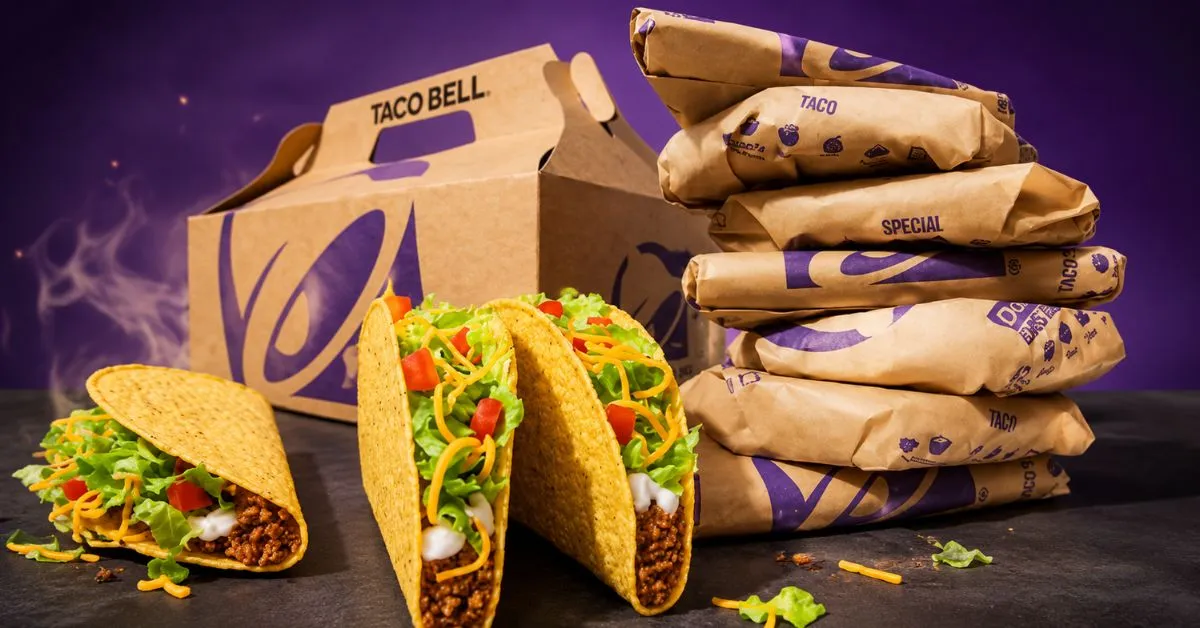
| Signature Item | Crunchy Taco |
| Famous Slogan | “Yo Quiero Taco Bell” (1997) |
| Annual Revenue (approx.) | $2.4 billion (2022, US systemwide sales) |
What Is Taco Bell?
Taco Bell is one of America’s most recognizable fast-food chains, beloved for its Mexican-inspired menu and its knack for keeping things fun, affordable, and a little unexpected. From the iconic Crunchy Taco to the cult-favorite Cheesy Gordita Crunch, Taco Bell has built a massive fanbase that spans generations, geographies, and frankly, late-night hunger pangs.
The brand operates under Yum! Brands—the same parent company behind KFC and Pizza Hut—and holds its own as the largest Mexican-inspired fast-food chain in the United States. But Taco Bell isn’t just a restaurant. Over the decades, it has become a cultural touchstone, a late-night ritual, and for millions of fans, an obsession.
Related Stories



What keeps people coming back? A mix of nostalgia, constant menu innovation, and a brand personality that refuses to take itself too seriously. Taco Bell knows its audience—and it delivers. Loudly.
The Founding Story: How Glen Bell Built an Empire
The Taco Bell story begins with a guy named Glen Bell and a dream to bring affordable Mexican-inspired food to everyday Americans.
Born in 1923, Glen Bell opened his first food stand, Bell’s Drive-In, in San Bernardino, California, in 1948. His menu was simple: hot dogs, burgers, and a few experimental items. But Bell had his eye on something else. He was fascinated by the taco stand next door—a place called the Mitla Café—and became determined to create a version of the taco that could be produced quickly and sold cheaply.
After experimenting with recipes and opening several restaurant concepts under different names (including Taco-Tia and El Taco), Bell finally opened the first official Taco Bell in Downey, California, on March 21, 1962. Tacos sold for 19 cents each. It was a hit from day one.
Franchising began almost immediately. By 1964, there were more than 100 Taco Bell locations, mostly across Southern California. The chain’s rapid growth caught the attention of PepsiCo, which acquired Taco Bell in 1978 for approximately $125 million. In 1997, PepsiCo spun off its restaurant holdings into a new company called Tricon Global Restaurants—which later became Yum! Brands in 2002.
Glen Bell passed away in January 2010, but his legacy lives on every time someone orders a Crunchy Taco. Not bad for a guy who started with a hot dog stand.
Growth and Expansion: From Downey to the World
Taco Bell’s rise from a single California restaurant to a global fast-food powerhouse is a story about smart franchising, bold branding, and an uncanny ability to stay relevant.
During the 1970s and 1980s, the chain aggressively expanded across the United States, becoming a staple in suburban strip malls and highway exits. By the early 1990s, Taco Bell had positioned itself as the value leader in fast food, famously undercutting competitors with its low-cost menu during what the brand called the “value wars.”
International expansion came steadily. Today, Taco Bell operates in more than 30 countries, including Canada, the United Kingdom, India, Australia, Spain, and South Korea. The brand has adapted its menu for local tastes in many markets—offering paneer options in India, for example—while keeping its core identity intact.
One of the most significant milestones in Taco Bell’s recent history was its continued domestic growth through the 2010s and 2020s. The brand crossed the 8,000-location milestone, driven largely by franchise development. Taco Bell also pushed into new formats, including digital-first “Go Mobile” locations and urban cantina-style restaurants designed for densely populated cities.
Menu and Innovation: The Art of the Unexpected
If there’s one thing Taco Bell has mastered, it’s the art of the limited-time offer. The menu is a constantly rotating mix of core classics and limited runs that generate enormous buzz—sometimes before the items even drop.
The core menu revolves around a handful of beloved staples:
- Crunchy Taco – The original. Simple, satisfying, and still only around $1.99.
- Soft Taco – A flour tortilla alternative for those who prefer a gentler crunch.
- Burrito Supreme – A stuffed classic that’s been on the menu for decades.
- Chalupa Supreme – A fried shell with a taco-meets-flatbread personality.
- Cheesy Gordita Crunch – A fan-favorite that returned by popular demand after being discontinued.
Then there are the legendary limited-time items. The Mexican Pizza—discontinued in 2020 amid a cost-cutting push—sparked such a fierce reaction from fans that Taco Bell brought it back permanently in 2022. The return was celebrated with genuine enthusiasm on social media, making it one of the brand’s most talked-about menu moves in recent history.
The Doritos Locos Taco deserves its own paragraph. Launched in March 2012 in partnership with Frito-Lay, it became one of the best-selling fast-food products in history. According to Taco Bell, the chain sold approximately 100 million Doritos Locos Tacos in the first 10 weeks after launch. It was a genuine cultural moment—and proof that Taco Bell’s instinct for collaboration and creativity is sharp.
Taco Bell has also made significant strides toward vegetarian and vegan-friendly options. The chain received American Vegetarian Association (AVA) certification for several menu items and has worked to expand its plant-based protein offerings, including a partnership with Beyond Meat for testing purposes (though a permanent Beyond Meat product has not been confirmed for all locations as of this writing—unconfirmed for ongoing availability).
Taco Bell Today: Culture, Digital, and What Comes Next
Walk into a Taco Bell today and you’ll notice it doesn’t look quite like the fast-food joints of the 1990s. The brand has invested heavily in modernizing its physical spaces, launching “Cantina” locations in major cities like Chicago, Las Vegas, and San Francisco that serve alcohol alongside the standard menu. These locations have a very different vibe—think open kitchens, exposed brick, and local beer on tap.
Digitally, Taco Bell has been ahead of the curve. Its mobile app consistently ranks among the top fast-food apps in the US, and the brand’s loyalty program—Taco Bell Rewards—has grown rapidly since its 2020 launch. Digital ordering now accounts for a significant portion of sales, reflecting a broader shift in how customers interact with quick-service restaurants.
On the cultural side, Taco Bell leans into its cult status with enthusiasm. The brand’s social media presence is quick-witted, self-aware, and very online. Collaborations with fashion brands, a branded hotel pop-up (yes, really—the “Taco Bell Hotel” opened in Palm Springs in 2019 and sold out in minutes), and a Taco Bell-themed wedding chapel in Las Vegas have all reinforced its image as a brand willing to have fun with its own mythology.
Looking ahead, Taco Bell has announced plans to continue expanding both domestically and internationally, with a focus on digital ordering, drive-thru efficiency, and new market entry in Asia and Europe.
Interesting Facts About Taco Bell
A few things about Taco Bell that might genuinely surprise you:
- The Taco Liberty Bell Prank (1996): One of the most famous April Fools’ Day stunts in advertising history. Taco Bell took out full-page newspaper ads claiming it had purchased the Liberty Bell and renamed it the “Taco Liberty Bell.” The prank caused a national uproar before the brand revealed the joke. Genius.
- Space taco (sort of): In 2001, Taco Bell placed a floating target in the Pacific Ocean during the re-entry of the Russian Mir space station, promising free tacos to every American if a piece of debris hit the target. It didn’t, but the stunt generated enormous publicity.
- The Chihuahua campaign: The “Yo Quiero Taco Bell” Chihuahua—voiced by Carlos Alazraqui—became one of the most recognized advertising mascots of the late 1990s. The dog appeared in commercials from 1997 to 2000.
- Taco Bell was the last restaurant standing: In the 1993 comedy Demolition Man, set in a dystopian future, Taco Bell is the only surviving restaurant chain. The brand has leaned into this reference ever since.
- Glen Bell is in the Franchise Hall of Fame: The International Franchise Association inducted Glen Bell posthumously, recognizing his impact on the franchising industry.
Frequently Asked Questions About Taco Bell
Who founded Taco Bell and when?
Glen Bell founded Taco Bell on March 21, 1962, in Downey, California. Bell had previously operated several smaller restaurant concepts before launching the Taco Bell brand.
Who owns Taco Bell today?
Taco Bell is owned by Yum! Brands, a publicly traded company that also owns KFC and Pizza Hut. Yum! Brands was formed in 1997 when PepsiCo spun off its restaurant division.
How many Taco Bell locations are there worldwide?
As of recent reports, Taco Bell operates more than 8,000 locations across 30+ countries. The majority of locations are in the United States.
The Crunchy Taco is Taco Bell’s signature and longest-running menu item. The Doritos Locos Taco, launched in 2012, is often cited as one of the brand’s best-selling limited-time items in history.
Does Taco Bell have vegetarian options?
Yes. Taco Bell offers several American Vegetarian Association (AVA)-certified menu items and allows customers to customize most menu items to be meat-free. The chain has worked to expand plant-based protein availability, though specific product availability may vary by location.
Is Taco Bell available outside the United States?
Yes. Taco Bell operates in more than 30 countries, including Canada, the United Kingdom, India, Australia, South Korea, and Spain. International menus are often adapted to suit local tastes and dietary preferences.
The Bottom Line: Why Taco Bell Still Matters
Over 60 years after Glen Bell sold his first 19-cent taco in Downey, Taco Bell is thriving—and evolving. The brand has proven it can balance nostalgia with innovation, classic comfort food with bold experimentation, and mass-market appeal with genuine cultural relevance.
Whether you’re in it for the Crunchy Taco, the limited-time drops, or the sheer novelty of a fast-food brand with its own Vegas wedding chapel, Taco Bell has carved out a space in American life that goes well beyond the menu. It’s a brand that knows exactly who it is—and that self-awareness is exactly why people keep showing up.

Emma Clarke is a content writer at Gaukurinn.is, specializing in celebrity news, pop culture, movies, and music. With a strong focus on accuracy and trending topics, she creates engaging and well-researched articles that keep readers informed and entertained.
Emma follows trusted sources and editorial standards to ensure content is reliable, relevant, and up to date. Her goal is to deliver clear, valuable information that readers can trust.