A single pool of blue light sits in the middle of an empty stage. As a guitar phrase opens into a chorus, the light widens and reveals a semicircle of standing lamps. That is the AI music visual I want to develop for an original song excerpt. There would be no imitation of a famous performer and no invented concert footage. The stage would be a designed space responding to the music.
The creative direction on the Seedance 3.0 page gives this proposed scene a useful starting point: treat the image, movement, references, and sound as parts of one brief. The page also says the model is not officially released yet. I would prepare the concept for that future workflow while identifying any currently available model used to make a prototype. The following choices describe the film I want to build, not results from a model I have already tested.
My starting material would be a short instrumental passage that I own or have permission to adapt. I would choose a section with a clear transition from a sparse opening to a fuller chorus. The visual should respond to that transition across a phrase, rather than flash at every beat. A slowly expanding field of light can feel musical without turning the video into a frantic equalizer.
Related Stories

Draw the stage as a place
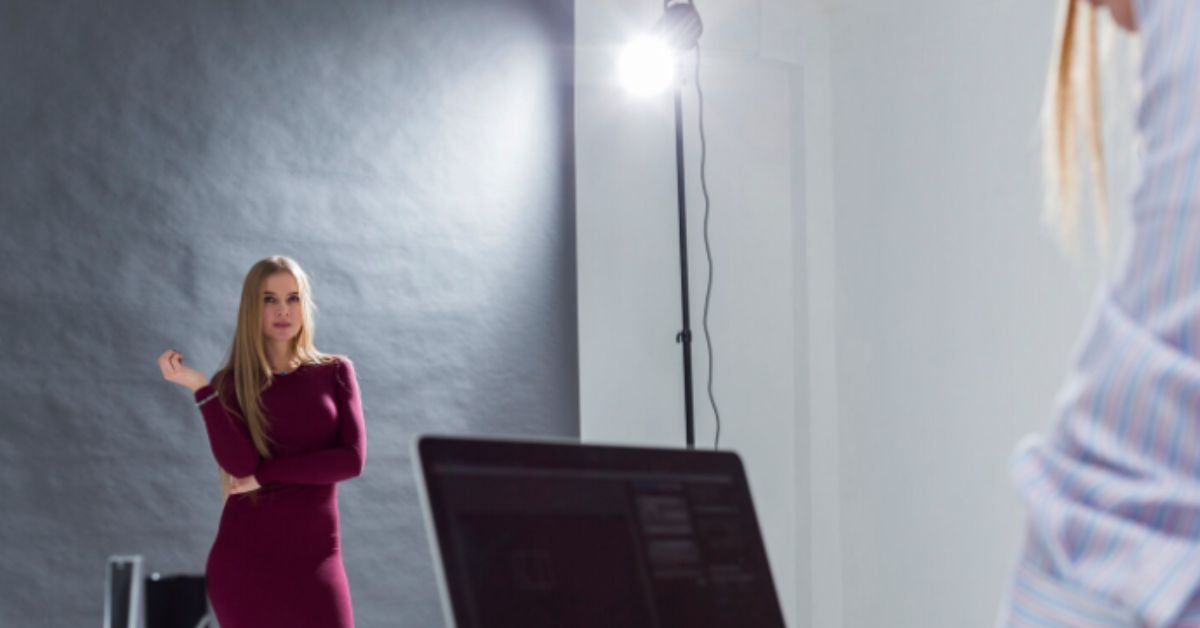
I would sketch a shallow stage with a dark floor and five standing lamps arranged behind the central light. The camera would begin low enough to see the floor reflection but high enough to understand the lamps as separate objects. A plain backdrop would keep attention on the change in illumination. The stage needs a stable shape before it can support a meaningful reveal.
The lamps would have simple round shades and identical heights. Their role is to form a visual ensemble, not to look like a collection of unrelated props. I would make one original reference image of the full arrangement and another showing the material of a lamp shade. The wider image explains placement; the closer image explains the visual treatment. Combining those roles carelessly could make the scene feel inconsistent.
For my Seedance 3.0 preparation notes, I would describe the lamps as stationary throughout the sequence. Only their illumination and the camera’s position would change. If the lamps start bending or moving in a prototype, I would remove ambiguous language about the stage “coming alive.” Concrete instructions about light are more useful than a metaphor that could be interpreted as physical motion.
Find the moment when the chorus opens
I would mark the start of the chorus in the audio file and build the visual timing around it. Before that point, the blue pool of light would stay small and the lamps would remain silhouettes. As the musical arrangement broadens, the light would expand toward the back of the stage. The lamps would become visible gradually rather than switch on with a sudden strobe effect.
The camera could pull back slightly during this change, giving the expanding composition room to breathe. I would keep the movement slow enough that the viewer notices the lamps rather than the camera technique. The final frame would show the entire semicircle with a clear area above it for a track title added later. The reveal should end somewhere useful, not continue moving until the clip stops.
A future Seedance 3.0 brief would include the audio passage, the stage arrangement, and a written explanation of this relationship. I would not assume that uploading music alone establishes the exact visual rhythm. The direction would say which phrase motivates the widening light and where the camera should settle. Any prototype would then be judged against those specific intentions.
Revise the light before adding effects
My first revision would depend on where the scene loses clarity. If the blue light becomes so bright that it erases the floor, I would lower the requested intensity and soften the reflection. If the lamps appear too early, I would darken the opening background rather than add a faster transition. The point is to preserve the contrast between the sparse beginning and the fuller ending.
I would avoid smoke in the first version. Haze might make the beams visible, but it could also obscure the lamp shapes and complicate the reveal. Once the basic lighting movement works, I could compare a restrained haze treatment with the clear stage. The version that best follows the musical phrase would win, even if it contains fewer effects.
The reference-based approach described for Seedance 3.0 encourages me to keep the stage layout separate from these variations. I would use the same arrangement while comparing a cool blue opening with a warmer final glow. Changing the props, camera angle, and color palette at the same time would make it difficult to understand which decision improved the scene.
Keep the song at the center of the edit
I would preserve the authorized recording as the soundtrack in my editor. Any generated ambience would be muted unless it adds something the song needs. A music visual does not require an imaginary audience cheering over the chorus. The empty stage is part of the concept, so crowd noise would contradict what the viewer sees.
The proposed Seedance 3.0 workflow includes planning picture and sound together, but my final edit would still use the exact excerpt approved for the project. I would align the visual reveal with that file rather than replace the music with an approximate version. If the camera move finishes early, I would adjust the cut or revise the shot instead of stretching the song unnaturally.
The title would arrive after the stage has opened up. I would place it in the clear area above the lamps using an editor, where the artist’s name and track spelling can be controlled precisely. A short hold would give the viewer time to read before the sequence ends. There is no need for animated lettering to compete with the main lighting event.
Prepare a version that can travel
For a vertical social clip, I would redraw the semicircle as a narrower arrangement before generating the shot. Simply cropping the horizontal version could remove the outer lamps and weaken the feeling of expansion. The visual idea can stay the same while its spacing changes. That is a production adaptation, not a different story.
I would keep the initial prototype budget focused on the light transition and one camera variation. Availability, costs, and actual controls for Seedance 3.0 would need to be checked when it launches. Until then, the useful deliverable is a complete scene brief and an accurately labeled prototype made with available tools. The finished visual should let a listener feel the chorus arrive through space and light, with every lamp contributing to the same musical moment.
CLICK HERE FOR MORE BLOG POSTS

Emma Clarke is a content writer at Gaukurinn.is, specializing in celebrity news, pop culture, movies, and music. With a strong focus on accuracy and trending topics, she creates engaging and well-researched articles that keep readers informed and entertained.
Emma follows trusted sources and editorial standards to ensure content is reliable, relevant, and up to date. Her goal is to deliver clear, valuable information that readers can trust.