Quick Answer
Quick answer: Karmelo Anthony, a 19-year-old former Frisco ISD student, was found guilty of murder on June 9, 2026, and sentenced to 35 years in prison for the fatal stabbing of Austin Metcalf, 17, at a Frisco ISD district track meet on April 2, 2025. Anthony admitted to the stabbing at the time of his arrest and filed a notice of appeal the day after sentencing.
Quick Facts
| Full Name | Karmelo Anthony |
|---|---|
| Age | 19 (as of 2026) |
| Date of Birth | Not publicly confirmed |
| Birthplace | Not publicly confirmed |
| Nationality | American |
| Occupation | Former student-athlete (Centennial High School, Frisco ISD) |
| Known For | Murder conviction in the death of Austin Metcalf, April 2025 |
| Height | Approximately 5’8″ (per defense) |
| Current Status | Incarcerated at a Texas Department of Criminal Justice facility northwest of Houston |
A Collin County jury delivered its verdict on June 9, 2026: guilty of murder. Karmelo Anthony, now 19, was sentenced to 35 years in prison for the fatal stabbing of Austin Metcalf—a 17-year-old student-athlete who died at a high school track meet in Frisco, Texas, on April 2, 2025.
The case was never quiet. From the moment Anthony was arrested—calmly stating “I’m not alleged, I did it”—it ignited a firestorm of debate that swept across social media, cable news, and community spaces nationwide. The trial brought grief, outrage, racial controversy, and competing narratives into a single Collin County courtroom. And now, more than a year after Austin Metcalf collapsed on the track at Kuykendall Stadium, a jury has rendered its judgment.
Related Stories
But the legal battle, it turns out, is far from over.
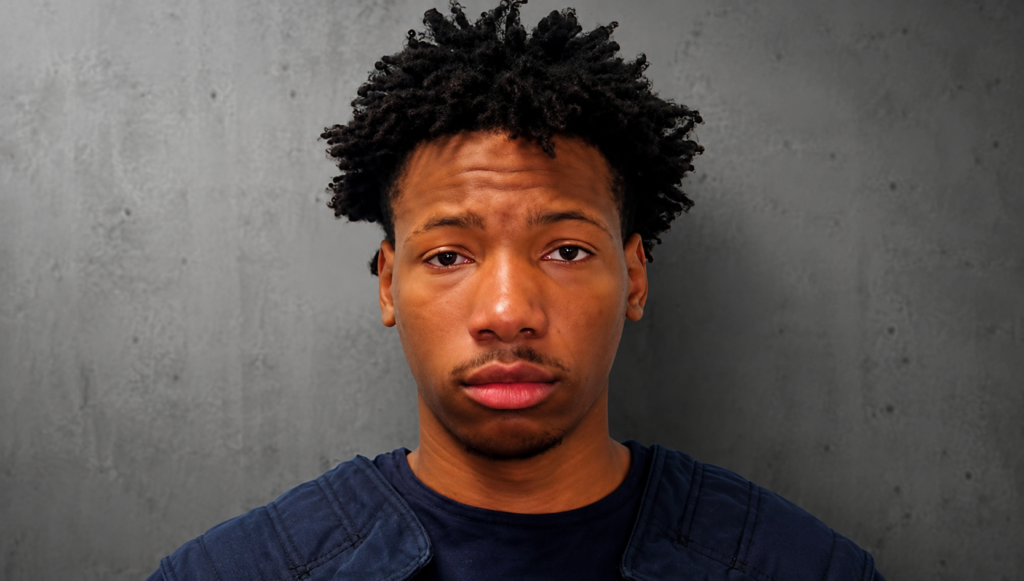
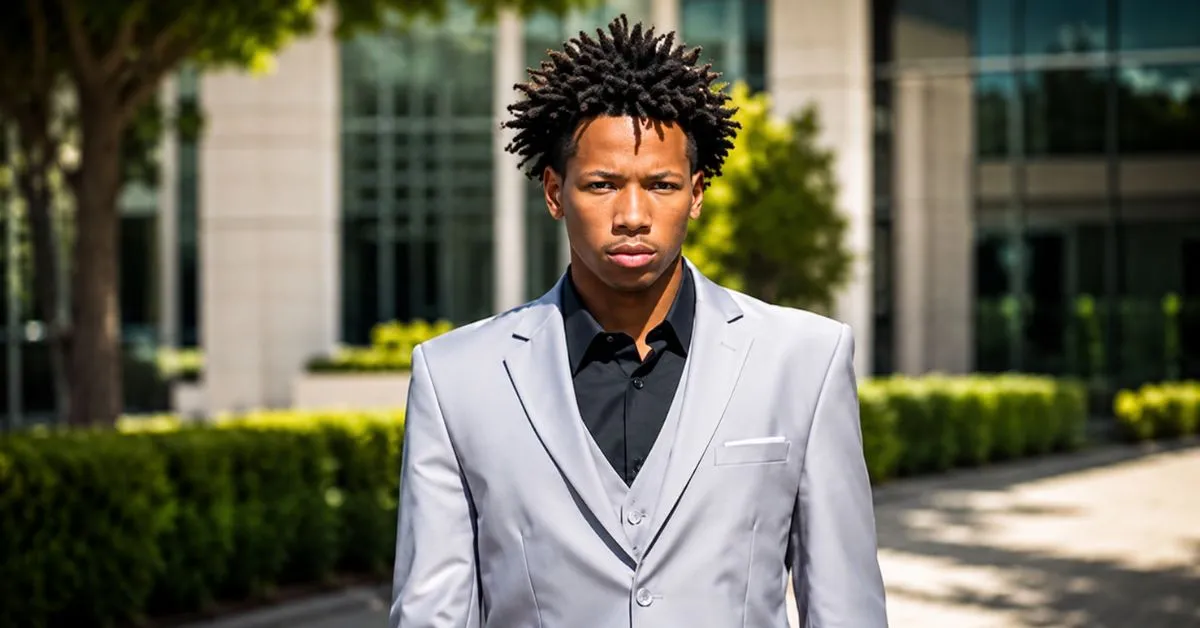
User Submitted Photo / GAUKURINN.IS Editorial Team.
Who Is Karmelo Anthony?
Before April 2, 2025, Karmelo Anthony was, by most accounts, a high-achieving teenager. He attended Centennial High School in Frisco, Texas, where his defense described him as an honor student and a team-elected football captain. According to defense attorneys Mike Howard and Toby Shook, Anthony had been diagnosed with epilepsy and was working two jobs while managing his academics.
He was, his legal team argued throughout the trial, a young man with a future—not a violent offender.
His physical profile became a recurring point of contention during the proceedings. Defense attorneys described Anthony as approximately 5’8″ and around 130 pounds. Austin Metcalf and his twin brother, Hunter, were described as approximately 6’1″ and 215 pounds each. These details formed the backbone of Anthony’s self-defense argument.
The Day of the Stabbing: What Happened at Kuykendall Stadium?
On the afternoon of April 2, 2025, students from across the Frisco Independent School District gathered at Kuykendall Stadium for a district track meet. Among them were Karmelo Anthony, attending from Centennial High School, and Austin Metcalf, competing for Memorial High School. The two did not know each other prior to that day.
What happened between them—and why—became the defining question of the trial.
What is not in dispute: a confrontation occurred. Austin Metcalf, 17, was stabbed and died from his injuries. Karmelo Anthony did not flee. When law enforcement arrived, Anthony made a statement that would be replayed throughout the trial: “I’m not alleged, I did it.”
The circumstances leading up to the stabbing—who said what, who moved first, who posed a threat to whom—were disputed at length in court. The prosecution called it murder. The defense called it self-defense.
Arrest, Bond, and the Road to Trial
Anthony was taken into custody at the scene. In the days and weeks that followed, the case exploded beyond the Frisco city limits. National media picked up the story. Social media filled rapidly with commentary, speculation, and outright misinformation about both Anthony and the Metcalf family. Swatting incidents were reported against both families—a deeply disturbing escalation that underscored just how volatile public sentiment had become.
The racial dimension of the case was impossible to ignore. Anthony is Black; Metcalf was white. Online, the case was drafted into broader cultural arguments about race, self-defense, and the criminal justice system. Many of those arguments were fueled by unverified claims that spread faster than any fact-check could travel.
The road to trial was long, spanning more than a year from the date of the stabbing to the June 2026 verdict.
The Trial: Prosecution vs. Defense
What did the prosecution argue?
Lead prosecutor Bill Wirskye, First Assistant District Attorney for Collin County, presented the case as straightforward: Karmelo Anthony fatally stabbed an unarmed teenager at a school event. The prosecution’s position was that the stabbing was not an act of self-defense—it was murder.
What did the defense argue?
Defense attorneys Mike Howard and Toby Shook leaned heavily on Anthony’s physical disadvantage relative to the Metcalf twins, his lack of prior criminal history, and the circumstances of the confrontation itself. They painted a portrait of a smaller, younger man who believed his life was in danger and acted accordingly.
Anthony did not publicly recant his admission at the scene. The defense’s work was to reframe it: not a confession of guilt, but a statement of fact stripped of context.
What was the jury composition, and why does it matter?
The jury consisted of 11 women and 7 men. Notably, there were no Black jurors on the panel. The defense raised a Batson challenge, arguing that the prosecution had improperly struck all qualified Black jurors from the pool. Judge John Roach Jr. denied the challenge.
The Batson issue did not go away. It became, in the eyes of many legal observers, one of the most significant procedural questions of the entire case—and a likely focus of Anthony’s appeal.
Verdict and Sentencing
On June 9, 2026, the jury returned its verdict: guilty of murder.
Sentencing followed. Karmelo Anthony received 35 years in prison. Under Texas law, Anthony will not be eligible for parole until the time he has served equals either half of his sentence or 30 years, whichever is less.
Collin County District Attorney Greg Willis issued a statement following the verdict, saying “justice was served.” Frisco ISD also released a statement in the aftermath of the conviction.
On June 10, 2026—less than 24 hours after sentencing—Anthony was transferred to a Texas Department of Criminal Justice facility located northwest of Houston.
Victim Impact Statements
The sentencing phase gave Austin Metcalf’s loved ones a formal opportunity to speak. His twin brother, Hunter Metcalf, delivered a victim impact statement—a moment that, by any measure, was among the most emotionally charged of the entire proceeding.
The Metcalf family has since established a scholarship in Austin’s memory, a tribute to a 17-year-old whose life ended on a track he had spent years training to compete on.
The specific content of all victim impact statements has not been fully reported in public detail at the time of publication.
Public Reaction and Racial Tensions
Few cases in recent memory generated the volume of public debate that this one did—and much of that debate was shaped by unverified information.
On social media, the case became a flashpoint. Narratives about Anthony and about the Metcalf family were frequently distorted, stripped of nuance, or fabricated outright. The swatting incidents against both families—criminal acts in their own right—reflected the ugliest possible consequence of that misinformation cycle.
The racial dimensions were real and documented. The Batson challenge over jury composition was a legal manifestation of concerns that many observers had voiced from the start. The all-white jury in a case involving a Black defendant and a white victim drew sharp criticism from civil rights advocates and legal commentators alike.
Anthony’s mother, Kayla Hayes, testified during the sentencing phase of the trial—a moment that put a personal, human face on a case that had often been reduced to competing hashtags.
The Appeal
Anthony moved fast. Within 24 hours of his sentencing, his legal team filed a notice of appeal.
Appellate attorney David Coale has publicly identified the Batson challenge—specifically, the prosecution’s alleged systematic removal of qualified Black jurors—as a potentially strong appellate argument. If an appeals court finds that Judge Roach Jr. erred in denying the Batson challenge, it could mean a new trial.
Appeals in Texas murder cases can take years to resolve. The outcome is far from certain.
What Happens Next
Karmelo Anthony is now incarcerated at a Texas Department of Criminal Justice facility northwest of Houston. He is 19 years old. Under his current sentence, he will not be eligible for parole for many years.
His appellate team, led by David Coale, will likely focus on the jury selection issue as the cornerstone of their appeal. Additional grounds for appeal—if any—have not been publicly confirmed at the time of publication.
For the Metcalf family, no legal outcome reverses the loss. Austin Metcalf will not walk across a graduation stage, will not compete in another track meet, will not see another birthday. His family has channeled their grief into a scholarship bearing his name—a small, enduring tribute to a young man whose future was taken from him in the most sudden and senseless of ways.
The case that shocked a community, divided the internet, and exposed genuine fault lines in the American justice system will now move into a new chapter—one written in appellate briefs and procedural filings rather than courtroom testimony.
The questions it raised, however, aren’t going anywhere.
Chronological Timeline of Key Events
| Date | Event |
|---|---|
| April 2, 2025 | Austin Metcalf, 17, is fatally stabbed by Karmelo Anthony at Kuykendall Stadium during a Frisco ISD district track meet |
| April 2, 2025 | Anthony is arrested at the scene; tells law enforcement: “I’m not alleged, I did it” |
| April–May 2025 | Case goes national; social media misinformation spreads; swatting incidents reported against both families |
| 2025–2026 | Pre-trial proceedings, bond hearings, and legal motions; Batson challenge raised during jury selection |
| June 9, 2026 | Collin County jury finds Karmelo Anthony guilty of murder after deliberations |
| June 9, 2026 | Anthony is sentenced to 35 years in prison; Judge John Roach Jr. presides; DA Greg Willis states “justice was served” |
| June 9, 2026 | Hunter Metcalf delivers victim impact statement; Kayla Hayes (Anthony’s mother) testified during sentencing phase |
| June 10, 2026 | Anthony files notice of appeal less than 24 hours after sentencing |
| June 10, 2026 | Anthony is transferred to a Texas Department of Criminal Justice facility northwest of Houston |
Frequently Asked Questions
What was Karmelo Anthony convicted of, and what sentence did he receive?
Karmelo Anthony was convicted of murder on June 9, 2026, by a Collin County, Texas jury. He was sentenced to 35 years in prison. Under Texas law, he will not be eligible for parole until the time he has served equals half of his sentence or 30 years, whichever is less.
What happened at the Frisco ISD track meet on April 2, 2025?
On April 2, 2025, a confrontation occurred between Karmelo Anthony (then attending Centennial High School) and Austin Metcalf (attending Memorial High School) at Kuykendall Stadium in Frisco, Texas, during a district track meet. Anthony stabbed Metcalf, who died from his injuries. The two students did not know each other prior to the incident. Anthony admitted to the stabbing at the time of his arrest.
Did Karmelo Anthony claim self-defense?
Yes. Anthony’s defense attorneys—Mike Howard and Toby Shook—argued self-defense throughout the trial, citing the physical size disparity between Anthony (approximately 5’8″, ~130 lbs) and the Metcalf twins (approximately 6’1″, ~215 lbs each). The jury rejected the self-defense argument and returned a guilty verdict.
Why was there no Black juror on the jury in Karmelo Anthony’s trial?
The defense raised a Batson challenge during jury selection, alleging that the prosecution had improperly struck all qualified Black jurors from the panel. Judge John Roach Jr. denied the challenge, allowing the trial to proceed with a jury that included no Black members. Appellate attorney David Coale has identified this issue as a potentially strong argument in Anthony’s appeal.
Is Karmelo Anthony appealing his conviction?
Yes. Anthony’s legal team filed a notice of appeal less than 24 hours after sentencing on June 10, 2026. Appellate attorney David Coale has pointed to the Batson challenge—specifically the denial of Anthony’s objection to the prosecution’s removal of qualified Black jurors—as a potentially significant basis for appeal. Appeals in Texas murder cases can take years to resolve.
Who was Austin Metcalf, and how is his family honoring his memory?
Austin Metcalf was a 17-year-old student-athlete at Memorial High School in Frisco, Texas. He was fatally stabbed at a district track meet on April 2, 2025. His twin brother, Hunter Metcalf, delivered a victim impact statement during Anthony’s sentencing phase. The Metcalf family has established a scholarship in Austin’s memory.

Emma Clarke is a content writer at Gaukurinn.is, specializing in celebrity news, pop culture, movies, and music. With a strong focus on accuracy and trending topics, she creates engaging and well-researched articles that keep readers informed and entertained.
Emma follows trusted sources and editorial standards to ensure content is reliable, relevant, and up to date. Her goal is to deliver clear, valuable information that readers can trust.