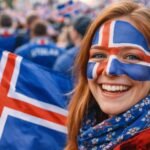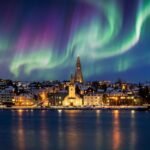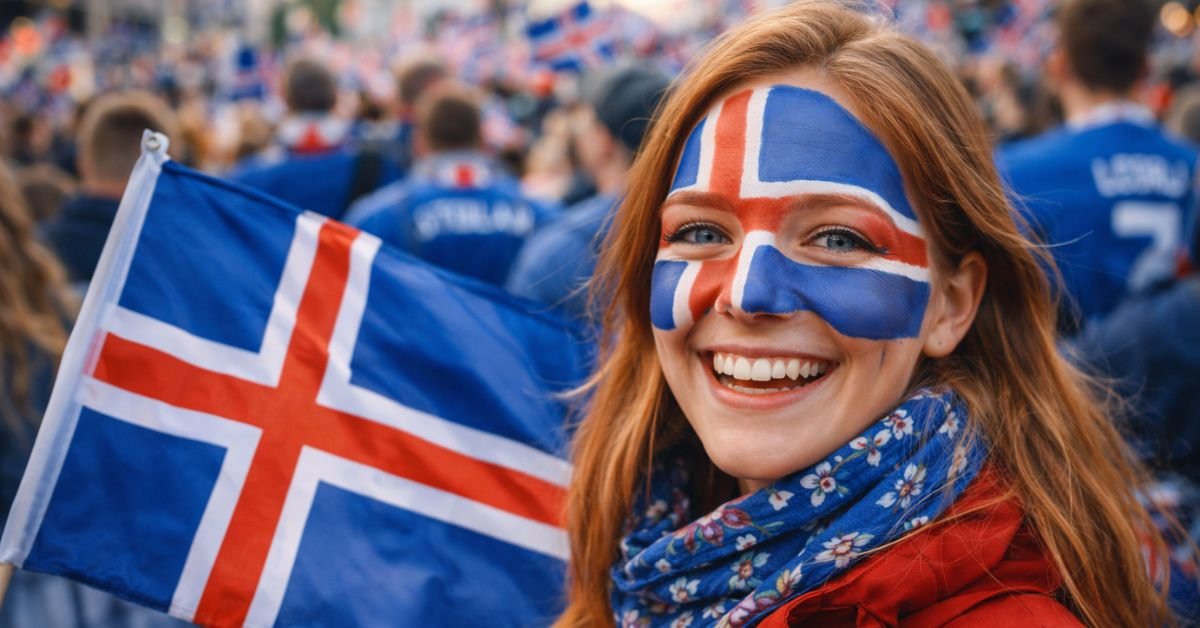
Iceland — the Land of Fire and Ice — is home to one of the world’s most fascinating populations. With a population of fewer than 400,000, Icelandic people have developed a culture so distinctive that it continues to captivate travelers, researchers, and curious minds around the globe. From Viking roots and medieval sagas to year-round ice cream habits and a national obsession with swimming pools, this article explores everything that makes Icelandic people truly one of a kind.
Who Are the Icelandic People?
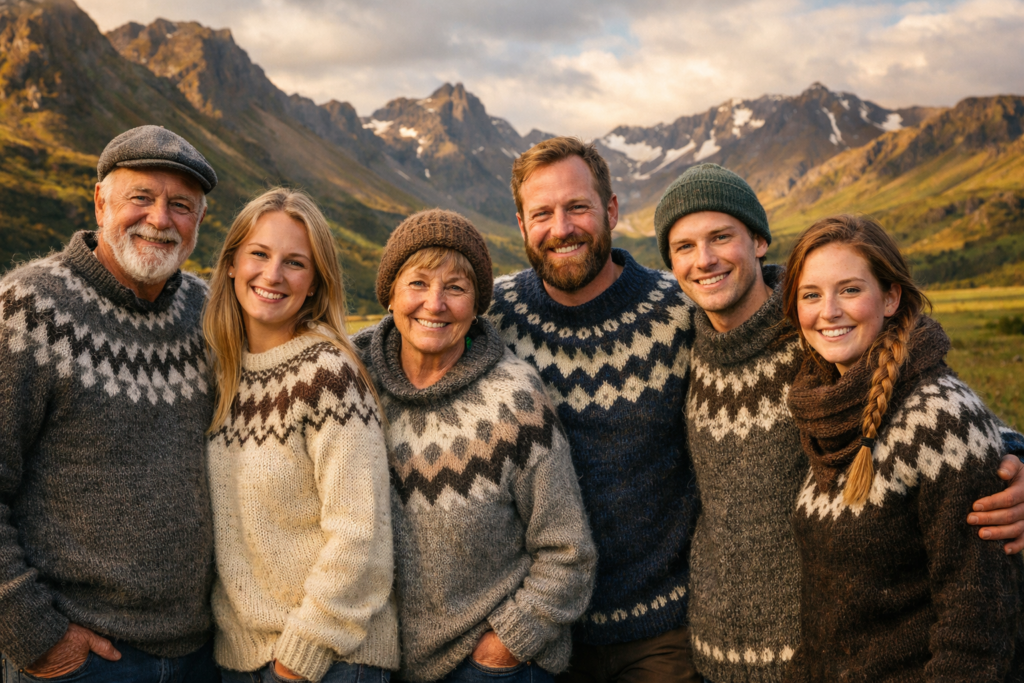
Icelandic people are the descendants of Norse Vikings and Celtic settlers who arrived on the island in the 9th and 10th centuries. The first permanent settler, Ingólfur Arnarson, made his home where Reykjavík now stands around 874 AD. Most early settlers came from Norway and other parts of Scandinavia, with a notable Celtic influence from Norse settlements in the British Isles.
This mixed heritage — Scandinavian and Celtic — shaped the genetic makeup and cultural identity of modern Icelandic people. Despite centuries of Danish rule (1380–1944), Icelanders fiercely preserved their language, literary traditions, and sense of independence. Iceland declared full independence in 1944 and has since become one of the most progressive, literate, and happy nations on Earth.
Today, Icelandic people are known for their warmth, resilience, creativity, and a deep connection to nature. They consistently rank among the happiest populations in the world, thanks to strong social support systems, universal healthcare, low crime rates, high gender equality, and a healthy work-life balance.
The Icelandic Language: A Living Link to the Vikings
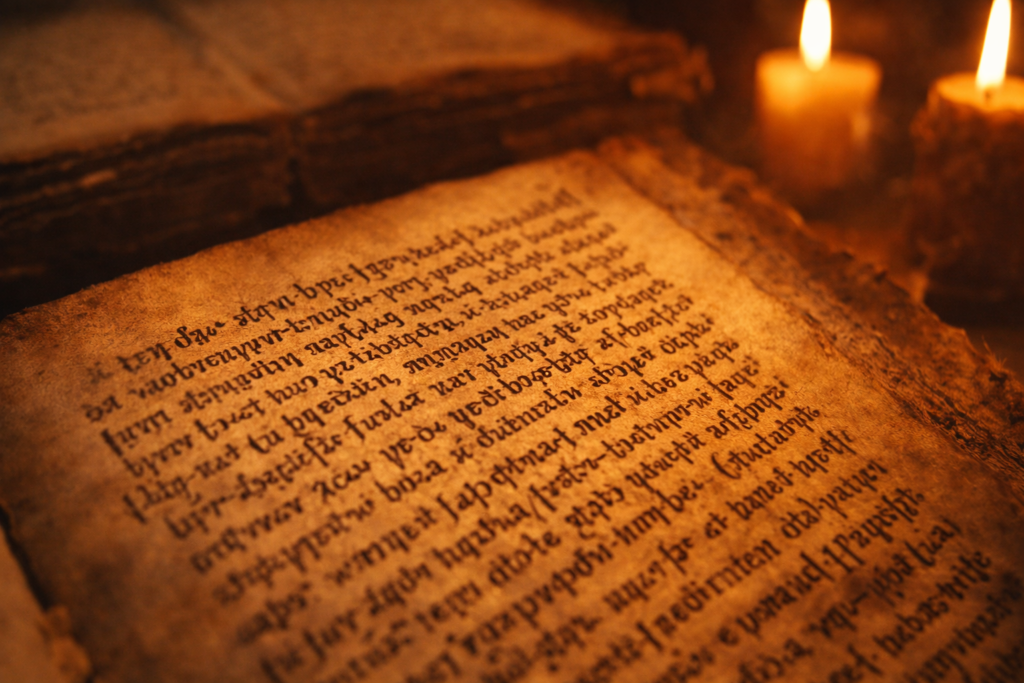
One of the most remarkable things about Icelandic people is their language. Modern Icelandic has changed so little from the Old Norse spoken during the Viking Age that today’s Icelanders can read the original medieval sagas — texts written in the 12th and 13th centuries — with relative ease. For comparison, English speakers would struggle enormously to read a text from eight centuries ago without specialized training.
Approximately 97% of the population speaks Icelandic as their first language, and Icelanders are fiercely protective of it. The country has an active policy of linguistic preservation: instead of adopting foreign loanwords, Icelandic people create new words from old Norse roots. For example, the word for “computer” in Icelandic is tölva, a combination of the words for “number” and “prophetess.”
Speaking on Inhalation
One particularly quirky feature of Icelandic speech is the habit of speaking on inhalation. Icelandic people often say short words like já (“yes”), nei (“no”), and jæja (“well” or “alright then”) while breathing in rather than out. To visitors, this can sound like a small gasp, but it is completely natural in everyday conversation. This linguistic quirk is shared with some other Nordic countries, including parts of Denmark and Sweden.
The Patronymic Naming System: No Family Surnames
Perhaps nothing surprises visitors more than learning that Icelandic people do not use family surnames the way most Western cultures do. Instead, Iceland uses a patronymic (and sometimes matronymic) naming system.
Here is how it works: a child’s last name is formed from the father’s (or mother’s) first name, plus the suffix -son for boys and -dóttir for girls. So if a man named Jón has a son named Ólafur and a daughter named Katrín, the son’s full name would be Ólafur Jónsson (“son of Jón”), and the daughter would be Katrín Jónsdóttir (“daughter of Jón”). This means siblings of different genders in the same family have different last names — something that often confuses border officials when Icelandic families travel abroad.
Because of this system, Icelandic people always address each other by their first names. Even the president, prime minister, and celebrities are referred to by their first names. The Icelandic phone book is organized alphabetically by first name, not last name.
In 1925, the Icelandic parliament (Althingi) actually banned the adoption of new family surnames, declaring them not authentically Icelandic. A small number of families who had already adopted surnames were allowed to keep them, but the patronymic tradition remains the norm.
There is also an Icelandic Naming Committee (Mannanafnanefnd) that maintains a register of approved first names. Any new name must be approved by this committee before it can be legally given to a child. The rules ensure that names fit Icelandic grammar and pronunciation.
Another interesting detail: Icelandic people are in no rush to name their babies. Parents legally have up to six months to register a child’s name. During this waiting period, babies are often called by nicknames that sometimes stick for life — which is why many Icelanders have nicknames that bear no resemblance to their actual names.
Viking Heritage and the Icelandic Sagas
Icelandic people are deeply proud of their Viking roots. The medieval Icelandic sagas, written between the 13th and 14th centuries, are considered one of the world’s greatest literary achievements. These stories recount the adventures, feuds, and voyages of the early settlers, blending historical fact with compelling fiction.
The sagas are not just historical curiosities — they remain a living part of Icelandic culture. All the locations mentioned in the sagas are real and can be visited today. Travelers interested in the saga heritage can explore places like Reykholt in West Iceland, the Snæfellsnes peninsula, and the Icelandic Saga Center at Hvolsvöllur.
In 930 AD, over thirty clan leaders met at Þingvellir (Thingvellir) to establish the Althingi, one of the oldest parliaments in the world. This gathering place, now a UNESCO World Heritage Site, symbolizes the democratic spirit that has defined Icelandic people for over a millennium.
Iceland’s literary tradition extends far beyond the sagas. Halldór Laxness won the Nobel Prize for Literature in 1955, and Reykjavík was named a UNESCO City of Literature. Icelanders publish more books per capita than any other nation, and one in ten Icelanders will publish a book in their lifetime.
Belief in Elves and Hidden People (Huldufólk)
One of the most intriguing aspects of Icelandic culture is the widespread respect for huldufólk — the “hidden people” or elves. These are not the tiny winged creatures of other mythologies, but human-sized beings believed to live inside rocks, cliffs, and lava formations.
While most Icelandic people do not literally believe in elves, surveys consistently show that a majority are unwilling to deny their existence outright. It is considered bad luck to do so. More importantly, this belief has practical consequences: construction projects have been delayed or rerouted to avoid disturbing rock formations believed to be elf habitats. There have even been unofficial “elf representatives” who consult with road and building crews.
This is not viewed as superstition by Icelandic people, but rather as a form of environmental respect — an acknowledgment that the landscape possesses a spirit and history that precedes human settlement. Elf stories are taught alongside medieval sagas in schools, and folklore tours operate in Reykjavík for curious visitors.
Icelandic Food Culture: Sauces, Grilling, and Ice Cream in Winter
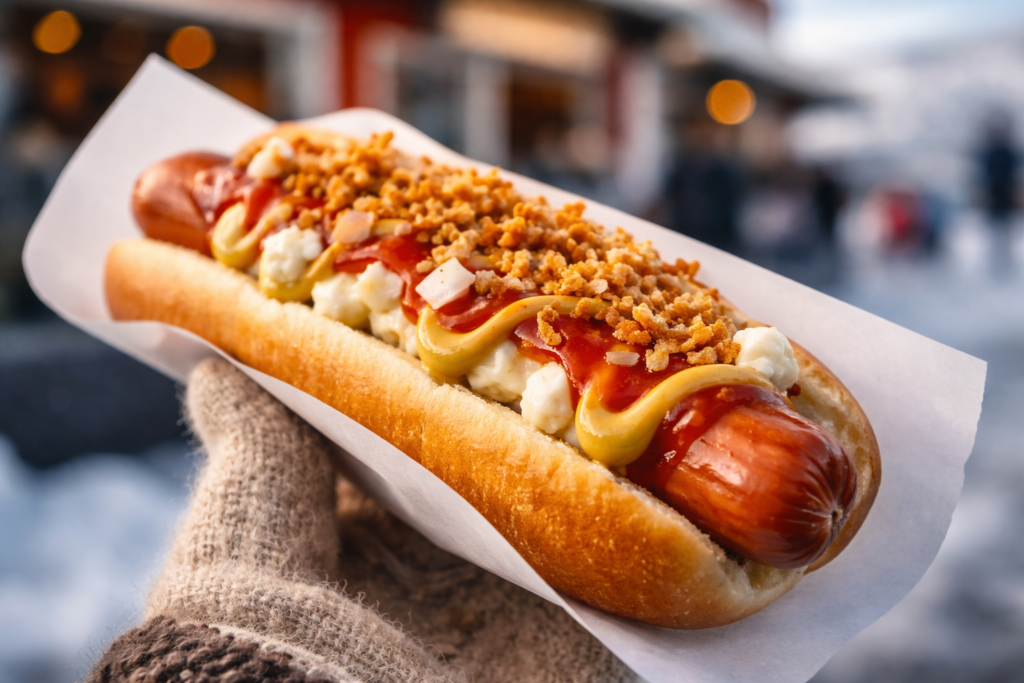
The food habits of Icelandic people are a fascinating blend of comfort, creativity, and resilience shaped by centuries of harsh conditions.
The Sauce Obsession
For centuries, traditional Icelandic food was simple — fish, lamb, and potatoes with little variety in seasoning. Sauces became a way to add flavor and excitement to plain dishes. Over time, Icelandic people developed a unique sauce for practically everything: specific sauces for pizza, fries, pitas, chips, hamburgers, fish, meat, and poultry. The famous Icelandic hot dog comes with three different sauces, and even ice cream is drowned in caramel, chocolate, or licorice syrup. For Icelanders, sauce represents creativity and comfort.
Year-Round Grilling
Icelandic people grill all year round, regardless of weather. Public-use grills are common in parks around Reykjavík, and families gather to cook lamb, fish, and skewers whether it is raining, snowing, or blowing. As locals often say: if you wait for sunshine in Iceland, you might be waiting forever. So they fire up the grill in any conditions, topping everything with generous amounts of their beloved sauces.
Ice Cream in Every Season
Eating ice cream is a year-round tradition in Iceland. The first ice cream shop opened in the early 1930s, and weekend visits quickly became a family ritual. Icelandic people are especially fond of bragðarefur, a custom mix of soft-serve ice cream blended with candy, fruit, or cookies.
A popular cultural practice is the ísbíltur, or “ice cream joy ride,” where families drive across town to their favorite ice cream shop and then enjoy their cones while sitting in the warmth of the car. This tradition continues in the depths of winter, when temperatures drop well below freezing.
Traditional and Unusual Dishes
Icelandic people also maintain some traditional dishes that might seem unusual to outsiders. During the midwinter festival of Þorrablót, families gather to eat þorramatur — a spread that can include fermented shark (hákarl), singed sheep heads, blood pudding, dried fish, and sour ram testicles. These foods are a tribute to the preservation methods that sustained Icelanders through centuries of harsh winters. Skyr, a thick cultured dairy product, and Brennivín, an Icelandic spirit made from potatoes and caraway, are also cultural staples.
Babies Napping Outdoors
One custom that often shocks visitors is that Icelandic people leave their babies to nap outside in strollers — even in cold weather. Parents bundle infants in warm clothing and blankets and park their strollers outside homes, cafés, and shops while the babies sleep.
This tradition dates back to the early 20th century. Traditional Icelandic homes were often crowded and smoky, and tuberculosis was a serious concern. By 1926, a local doctor named Davíð Þorsteinsson was already promoting outdoor sleeping as part of good childcare. The rise of baby strollers made the practice easy and widespread.
Many Icelandic parents report that their children sleep longer and more peacefully outdoors. The practice reflects the deep trust within Icelandic communities and a comfort with outdoor living that defines the culture.
The Christmas Book Flood (Jólabókaflóð)
Icelandic people have a beloved tradition called Jólabókaflóð, which translates to “Christmas Book Flood.” This refers to the flood of new book releases that fills Icelandic stores in the weeks before Christmas. The tradition began during World War II, when imported goods were scarce but paper remained plentiful, so Icelanders turned to books as gifts.
Every household receives a catalog of the season’s new releases before the holidays. Books remain one of the most popular Christmas presents, and Icelanders continue to be among the most avid readers on the planet. While the romantic image of everyone reading by candlelight on Christmas Eve is a bit of a myth, the love of literature during the holiday season is entirely real.
The Swimming Pool Obsession
Few things define Icelandic people more than their love of swimming and geothermal pools. Iceland’s volcanic energy keeps water naturally warm, and hot springs have been used for bathing since medieval times. Swimming lessons began at the Secret Lagoon in Flúðir in the early 1900s, and when schools made swimming mandatory in 1943, it became a tradition that every generation grew up with.
Today, every town in Iceland has at least one public pool. Reykjavík alone has numerous swimming pools that serve as social hubs where locals gather to relax, catch up with friends, and discuss everything from politics to the weather. In 2023, Icelandic swimming culture was nominated for inclusion on UNESCO’s list of Intangible Cultural Heritage.
For Icelandic people, the pool is not just a place to exercise — it is a cornerstone of community life.
Comfortable with Nudity
Closely tied to the swimming culture is the Icelandic attitude toward nudity. Before entering any public pool or hot spring, Icelandic people are required to shower naked in communal changing rooms. This is strictly a matter of hygiene — the geothermal water is kept clean without heavy chemical treatment, so thorough washing before entry is essential.
For Icelanders, this is completely normal and unremarkable. Visitors sometimes feel self-conscious, but the relaxed attitude is simply part of the bathing tradition. In ancient times, Icelandic people bathed in natural hot springs without any swimwear at all, and that comfort with the body has persisted through the centuries.
Iceland’s Beer Ban and Beer Day
For most of the 20th century, beer with more than 2.25% alcohol was banned in Iceland. The prohibition lasted from 1915 until March 1, 1989 — a total of 74 years. The ban originated from the temperance movement and a desire to differentiate Icelandic culture from that of Denmark, whose citizens were known as enthusiastic beer drinkers.
During the ban, Icelandic people found creative workarounds, such as mixing legal low-alcohol beer with spirits like Brennivín to create homemade strong beer. The absurdity of the situation — wine and hard liquor were legal, but beer was not — was not lost on anyone.
When the ban was finally lifted on March 1, 1989, Icelanders celebrated with enthusiasm. That date is now commemorated annually as Bjórdagurinn (Beer Day), a festive occasion marked by pub crawls, parties, and the launch of limited-edition brews by Icelandic craft beer companies. Today, Iceland has a thriving craft beer scene, and there are even beer spas where visitors can soak in beer-infused water while enjoying unlimited pints.
Monster Trucks and Super Jeeps
Icelandic people love their massive, modified trucks — known as Super Jeeps. These vehicles are not just for show; they are a practical necessity in a country with some of the most challenging terrain in Europe. Deep snow, rocky roads, glacial river crossings, and the unpaved F-roads of the Highlands demand vehicles with huge tires and powerful engines.
The culture of modifying trucks began when Icelanders started exploring the remote interior of the island, particularly the Highlands. In winter, Super Jeeps are often the only way to reach isolated towns or to chase the Northern Lights far from the city. Today, both locals and tour companies use these lifted trucks for adventure and work, and visitors can join Super Jeep tours to spectacular destinations like Landmannalaugar, Þórsmörk (Thorsmork), and Eyjafjallajökull.
Dark Humor and the “Per Capita” Mentality
Icelandic people have a unique and often very dark sense of humor, shaped by centuries of hardship and isolation. Long winters, volcanic eruptions, and life on a remote island encouraged wit that is dry, clever, and frequently self-mocking.
This tradition runs deep. In one of Iceland’s medieval sagas, an outlaw named Gísli is fatally stabbed by his rival, who simply remarks “hneit þar” — “you got me there.” That matter-of-fact response to a life-ending wound perfectly captures the dry humor that has defined Icelandic people for centuries.
Modern Icelanders continue this tradition with gusto. Few topics are off-limits, and the darker the joke, the bigger the laugh. Comic artist Hugleikur Dagsson, whose sharp and dark work is sold in souvenir shops across the country, is a perfect example of this national sense of humor.
Another endearing trait of Icelandic people is their “per capita” mentality. With such a small population, Icelanders love to measure their achievements on a per capita basis. Whether it is Nobel Prize winners, published authors, Olympic medals, or Eurovision entries, Icelandic people take playful pride in being “the best in the world per capita.” This confidence, always delivered with a wink, is one of the most charming aspects of the national character.
13 Yule Lads Instead of One Santa
While most of the world has one Santa Claus, Icelandic people have 13 Yule Lads (jólasveinar). These mischievous figures are actually trolls, and during the 13 nights leading up to Christmas, each one visits children in turn, leaving gifts in shoes placed on windowsills. Each Yule Lad has a distinct personality and name reflecting his particular brand of mischief — from Spoon-Licker to Door-Slammer to Sausage-Swiper.
The Yule Lads are the sons of the fearsome troll Grýla, who, according to folklore, comes down from the mountains to carry away naughty children. This uniquely Icelandic Christmas tradition adds a layer of playful darkness to the holiday season that is perfectly in keeping with the national character.
Gender Equality and Progressive Values
Icelandic people are global leaders in gender equality. Iceland consistently ranks at or near the top of the World Economic Forum’s Global Gender Gap Index. The country has a long history of progressive policies: it elected the world’s first democratically elected female head of state in 1980 (Vigdís Finnbogadóttir), and in 2009, Jóhanna Sigurðardóttir became the world’s first openly LGBT head of government.
Equal pay legislation, generous parental leave for both parents, and a culture that values fairness and inclusion are all hallmarks of modern Icelandic society. Banning strip clubs was another step Icelandic people took to back up their equality values with action. Iceland is also consistently rated as one of the safest countries in the world, with extremely low violent crime rates — making it an especially popular destination for solo travelers.
Connection to Nature and Sustainability
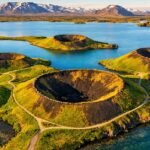
Icelandic people have a profound connection to their natural environment. The country’s dramatic landscapes — glaciers, volcanoes, geysers, waterfalls, and lava fields — are not just tourist attractions but integral parts of daily life and national identity.
More than 90% of Icelandic homes are heated by geothermal energy, and nearly all the country’s electricity comes from renewable sources (geothermal and hydroelectric). This commitment to sustainability is a source of national pride. Icelandic people are taught from a young age to tread lightly on the land, stay on designated paths, and respect the fragile environment.
Iceland is also the only NATO member without a standing army, and there are no trains in the country due to the unstable volcanic geology that makes track-laying impractical. There are, however, more sheep than people — fewer than 380,000 citizens compared to over 400,000 sheep — and the Arctic fox is the only native land mammal, having arrived via ice bridges from Greenland during the last Ice Age.
Festivals and Celebrations
Icelandic people celebrate a colorful calendar of festivals that reflect both ancient traditions and modern creativity:
- Þorrablót (January–February): The midwinter feast featuring traditional preserved foods and toasts to the old gods.
- Bolludagur, Sprengidagur, and Öskudagur (late February–early March): A three-day feast before Lent, featuring cream-filled buns on Bun Day, salted meat on Shrove Tuesday, and trick-or-treating on Ash Wednesday.
- Beer Day (March 1): Celebrating the end of the 74-year beer ban.
- Sumardagurinn fyrsti (First Day of Summer, April): An ancient tradition marking the arrival of summer, even if the weather disagrees.
- Independence Day (June 17): Celebrating Iceland’s independence from Denmark in 1944.
- Secret Solstice and Iceland Airwaves: World-famous music festivals that showcase Icelandic and international talent.
- Jólabókaflóð (November–December): The Christmas Book Flood.
Why Icelandic People Are So Happy
Iceland regularly ranks among the top five happiest countries in the world according to the United Nations World Happiness Report. The reasons are deeply rooted in the way Icelandic people have built their society: strong social safety nets, universal healthcare, excellent education, low income inequality, high trust in institutions, short work weeks, abundant access to nature, and a culture that values community, humor, and resilience.
Icelandic people have a saying — “þetta reddast” — which roughly translates to “it will all work out.” This philosophy of quiet optimism, combined with a willingness to laugh at themselves and their circumstances, helps explain why this small nation on the edge of the Arctic Circle has created one of the most contented societies on the planet.
Final Thoughts
Icelandic people are a remarkable population — small in number but enormous in character. From their Viking heritage and medieval sagas to their love of hot pools, dark humor, and year-round ice cream, every aspect of Icelandic culture tells a story of resilience, creativity, and deep connection to the land. Whether you are planning a trip to the Land of Fire and Ice or simply curious about one of the world’s most unique cultures, understanding the Icelandic people is the key to unlocking the magic of this extraordinary island.

Emma Clarke is a content writer at Gaukurinn.is, specializing in celebrity news, pop culture, movies, and music. With a strong focus on accuracy and trending topics, she creates engaging and well-researched articles that keep readers informed and entertained.
Emma follows trusted sources and editorial standards to ensure content is reliable, relevant, and up to date. Her goal is to deliver clear, valuable information that readers can trust.